There is something deeply human about waiting for the right moment. We tell ourselves we’ll volunteer when work settles down, attend the community meeting when life feels less hectic, apply for the board position once we have a little more experience, or speak up after we’ve done just a little more research. We convince ourselves that participation is something we’ll get to when the circumstances are better.
The problem, of course, is that life rarely offers perfect circumstances.
The longer I do this work, the more I wonder how many opportunities pass us by because we’re waiting for a version of ourselves that doesn’t exist. I know I did that as a young woman. I kept imagining there would come a moment when the timing felt right, when I would feel completely prepared, fully informed, and confident enough to step into something new. But I haven’t found that to be true, either in government or in the communities I work with today.
One of the things I have observed over the years is that confidence doesn’t usually arrive before people engage. More often, it follows. I’ve watched students walk into a classroom convinced they have nothing to contribute, only to leave asking thoughtful questions about issues affecting their neighborhoods. I’ve seen parents who initially apologized for “not knowing enough” become some of the strongest voices in conversations about their children’s education. I have worked with nonprofit leaders who delayed advocating for an issue because they felt they needed one more report or one more meeting before they were ready, only to realize that waiting wasn’t making the decision any easier.
After years of working in government and now alongside communities across the country, I’ve come to understand that readiness and expertise are not the same thing.
Expertise matters. Strong public policy depends on researchers, practitioners, and subject-matter experts who devote their careers to understanding complex issues. But Democracy was never meant to be a conversation reserved for experts. Civic participation has never required people to know everything before they speak up, ask questions, or advocate for change. In fact, people become more informed, more confident, and more effective because they choose to participate
Research supports this observation. Studies on civic participation have found that people’s confidence in their ability to engage grows through participation itself, not beforehand. Young people who develop a stronger sense of civic efficacy are significantly more likely to expect to participate in civic life, suggesting that confidence is built through experience rather than waiting until they feel fully prepared.
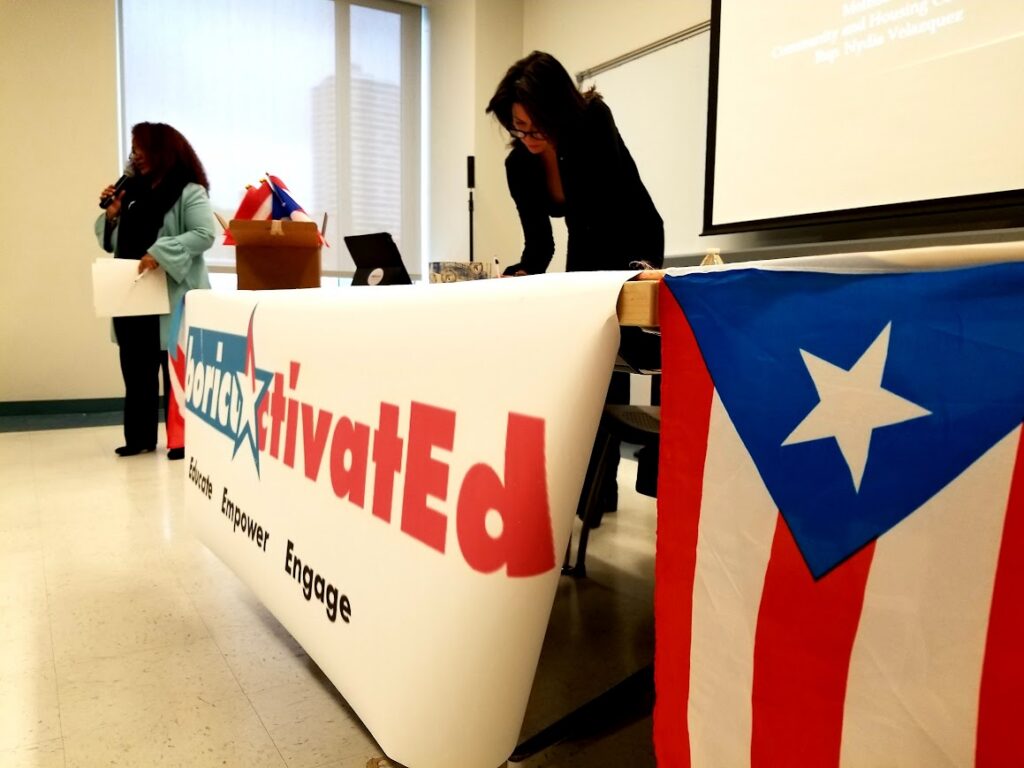
I see this in our workshops in real time. Someone walks in believing they don’t know enough to participate. A student hesitates before asking a question. A parent worries they won’t say the “right” thing. A nonprofit leader assumes someone else is better equipped to advocate for an issue.
Earlier in my career, I assumed the people making the greatest difference were the ones who always seemed the most prepared. Today, I pay closer attention to something else. The people who create meaningful change are rarely the ones who have every answer. More often, they are the ones willing to ask thoughtful questions, listen carefully, and stay engaged even when they don’t have complete certainty.
There will probably never be a perfect moment to attend the meeting, volunteer for the committee, introduce yourself to an elected official, or speak up about an issue you care about. There will always be another article to read, another expert to consult, or another reason to believe someone else is more qualified.
But if there’s one thing this work has taught me, it’s that readiness is rarely a prerequisite for participation. More often, it’s the result of it.