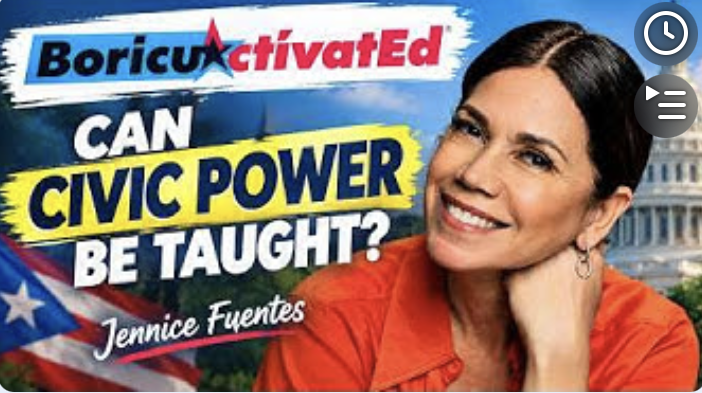
How To Make Your Voice Heard In Government
What if you could take 25 years of experience navigating the halls of Congress – and turn that knowledge into a toolkit that anyone could


What if you could take 25 years of experience navigating the halls of Congress – and turn that knowledge into a toolkit that anyone could

Jennice Fuentes is founder and CEO of BoricuActivatEd, a nonprofit that helps people understand government, find their voice, and become more effective advocates for themselves

Only 17% of Americans trust the government to do right. Rebuilding that trust starts small: answer the call, explain the process, follow through, show up.
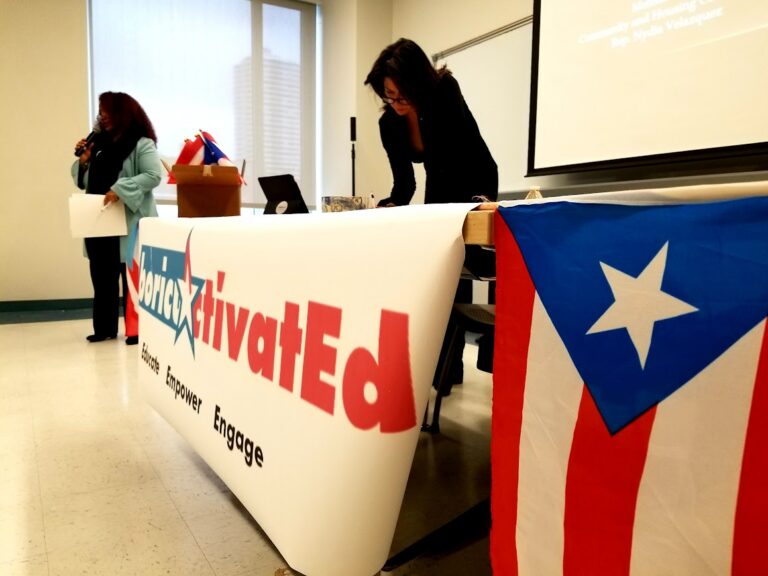
We tell ourselves we’ll get involved once life settles down, once we feel more prepared, once we’ve read one more article or consulted one more expert. But the perfect moment rarely comes. After years working in government and alongside communities across the country, I’ve learned that confidence doesn’t arrive before we engage, it grows because we do. Readiness, it turns out, is rarely a prerequisite for participation. More often, it’s the result of it.
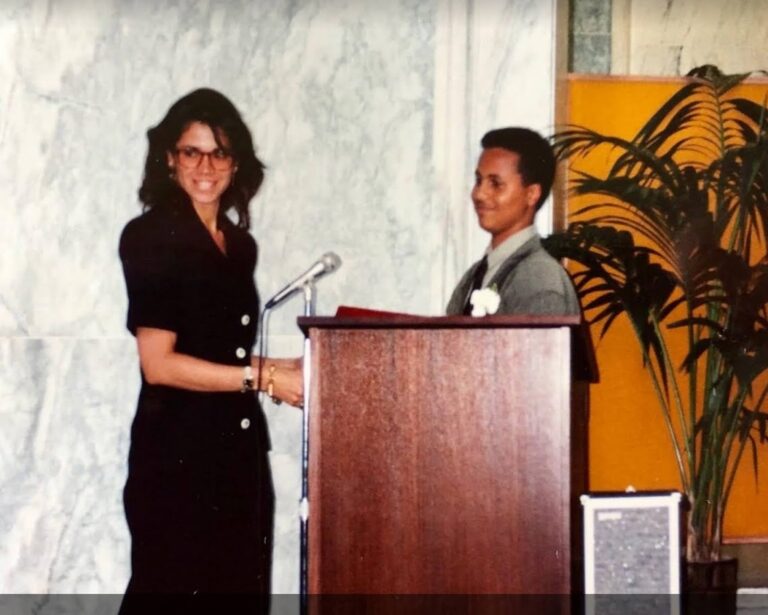
Discover how personal stories shape public policy. Learn why combining lived experience with data creates stronger advocacy and drives meaningful policy change.
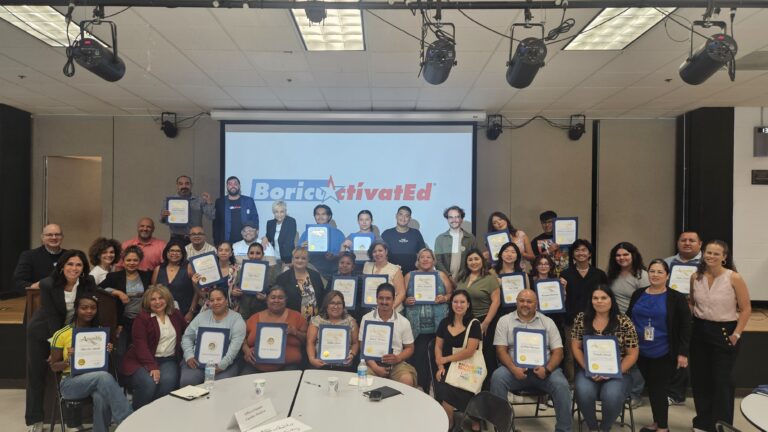
Many people begin our workshops by saying, “I’m not an advocate.” But through our work with young Hispanic mothers in California’s San Fernando Valley, we have learned that advocates are rarely created—they are recognized. The difference between a spectator and an advocate is not whether someone cares, but whether they have been given the confidence and tools to act on that care.