One of the most common things I hear at the start of our workshops is: “I’m not an advocate.”
I hear it from high school students, retirees, and working parents alike. These are people who care deeply about their communities but do not see themselves in traditional ideas of leadership. Yet, many who say this fail to realize they are already doing some of the hardest advocacy work imaginable.
One group that stays with me is a cohort of young Hispanic mothers we worked with over the last four years through an Early Head Start program in California’s San Fernando Valley.
These are women who negotiate with landlords, fight for their children at school, stretch a paycheck, and carry entire communities on their backs. Many are immigrants navigating systems not designed for them. Some face language barriers; others carry a quiet fear that speaking up could put their families at risk. Many deal with the daily realities of young single motherhood, solving problems while overworked, exhausted, and without a safety net.
Still, they show up every day for the people they love.
That makes me pause and ask a simple question: What exactly do we think an advocate looks like?
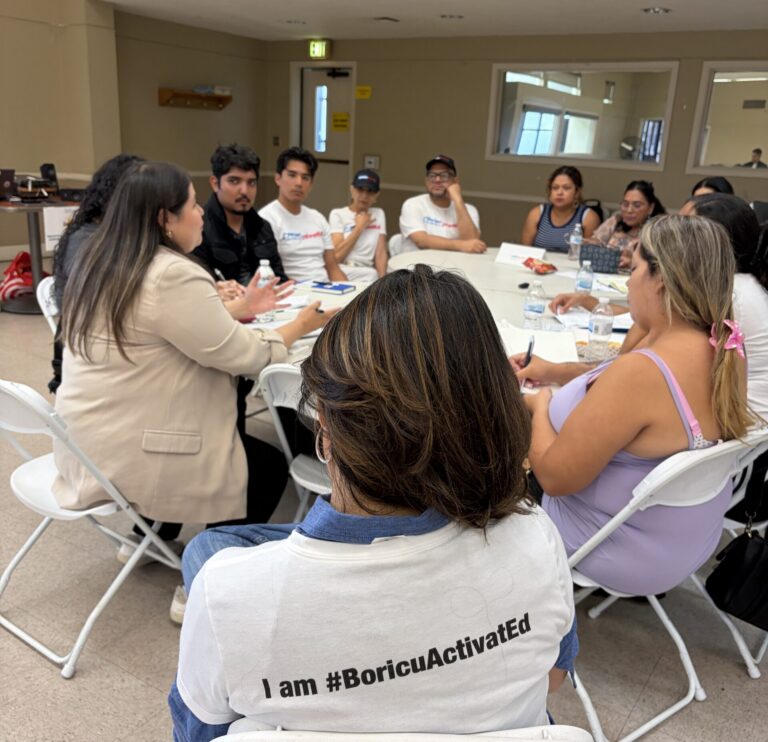
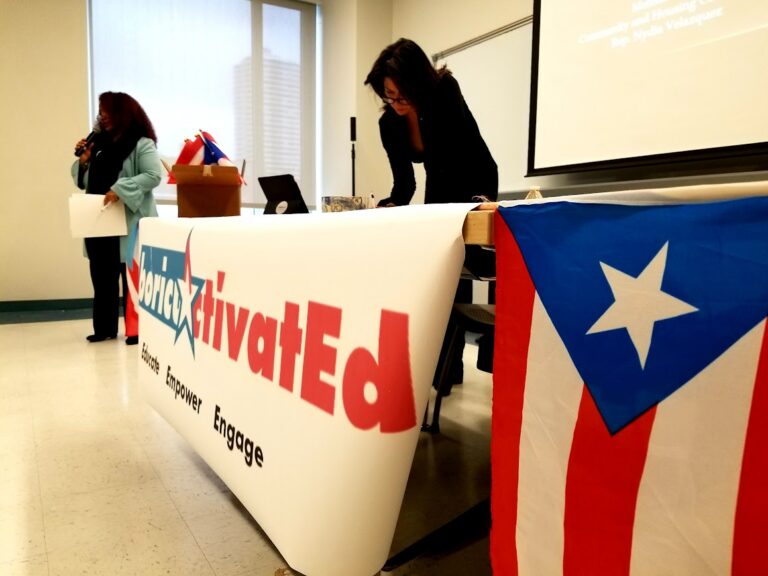
One of the most meaningful partnerships BoricuActivatEd has built is with this Los Angeles-based program. Together, we created bilingual, 90-minute “express advocacy” workshops designed specifically for these parents.
At first, many participants hesitate to speak. Some apologize for their English; others claim they do not know enough about government to weigh in on their schools or communities.
But then, I see a shift happen.
As they talk about their children, neighborhoods, or the frustrations of navigating public systems, they begin to recognize what is already inside them. These women are not passive observers. They are problem-solvers, protectors, organizers, and negotiators. They simply had never been told that these skills belong in civic spaces, too.
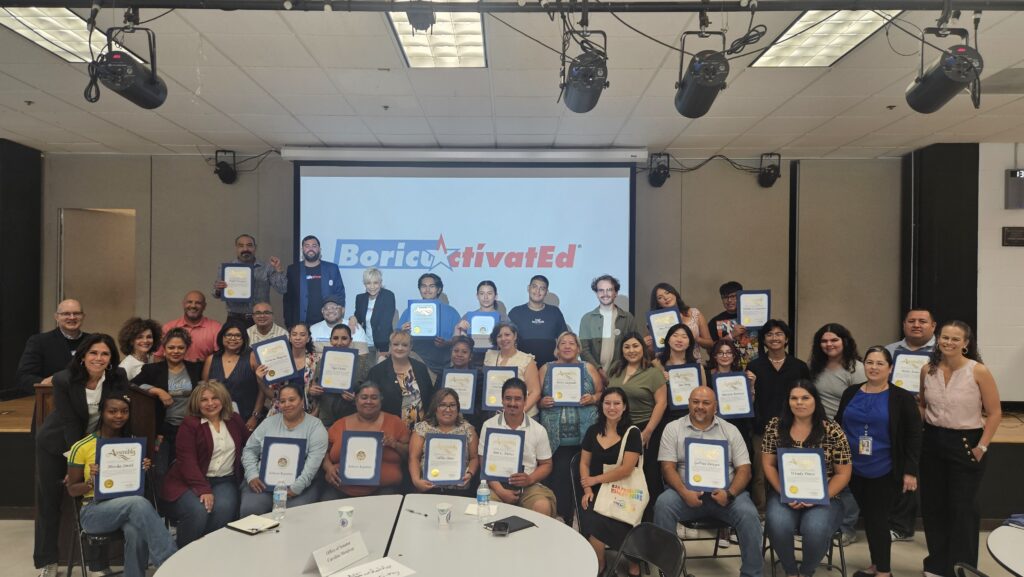
More than 100 women have now completed the program, reporting greater confidence communicating with schools, local agencies, and community organizations. Their transformation is not about becoming someone new; it is about recognizing the strength they already carry, and using the power of their personal stories to protect what represents a lifeline for their families.
I often tell participants: “If you can run a household, you can run a meeting.”
That line usually gets a laugh, but I mean it sincerely. These women already have the courage. They simply need the space, the tools, and the opportunity.
Civic engagement is too often framed as something reserved for policy experts, elected officials, or confident public speakers. Sometimes it is reduced purely to getting out the vote. But that framing leaves people behind. According to research from the UCLA Center for Health Policy Research, immigrant families frequently feel disconnected from institutions due to language barriers, fear, or uncertainty about how systems work. When people do not feel welcomed, they assume civic life isn’t meant for them.
That is why representation and access matter so deeply. People are far more likely to participate when they see themselves reflected in the room, hear their language spoken, and understand that their lived experiences are valuable forms of knowledge.
What I have learned through this work is that advocates are rarely created from scratch. More often, they are simply recognized for what they already are.
The difference between a spectator and an advocate is not whether someone cares. It is whether they have been given the confidence, tools, and invitation to act on that care. Once that shift happens, people do not just use their voice for themselves. They begin using it for others as well.